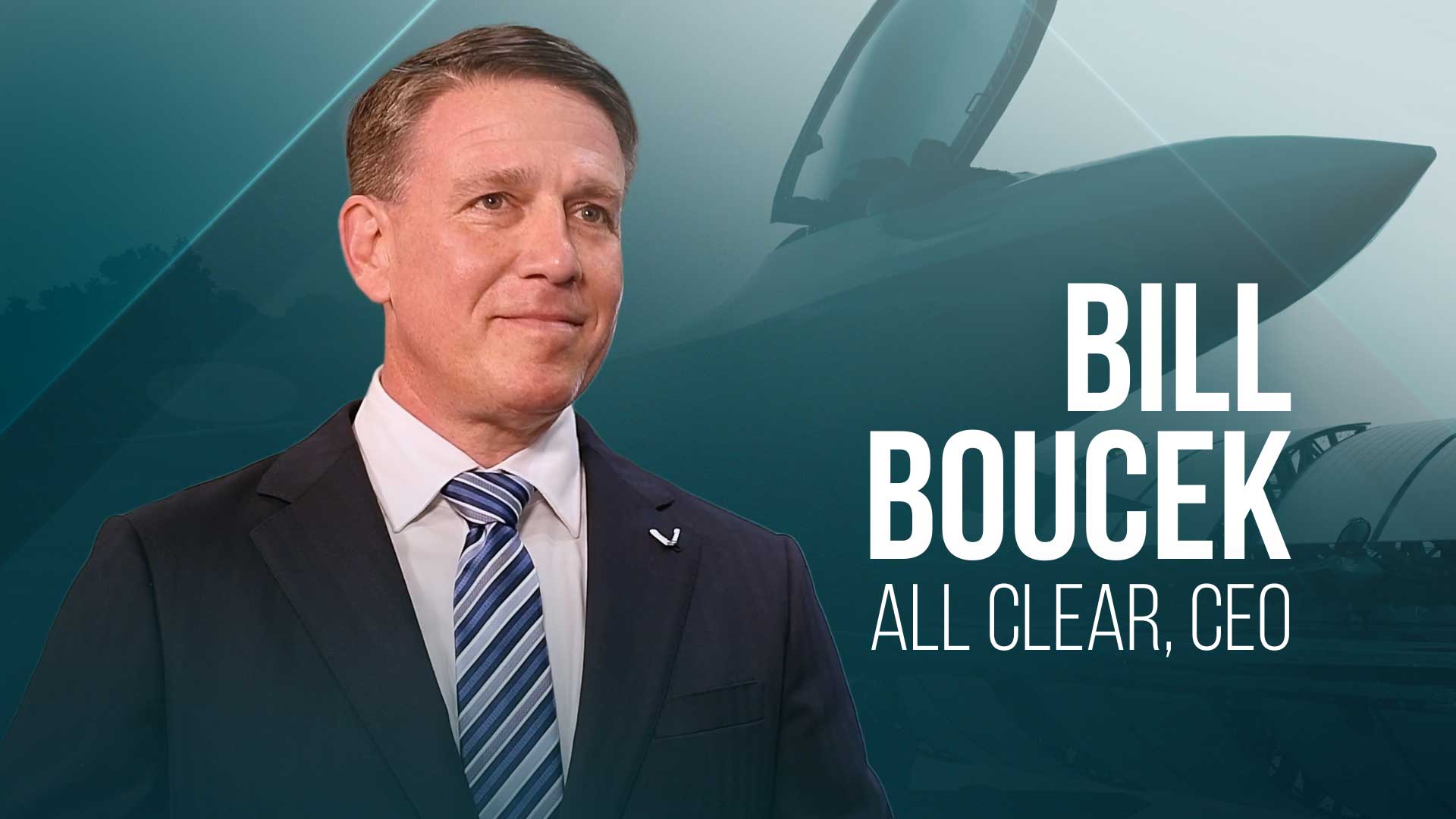
Defense operators worldwide face a mounting challenge: aging aircraft fleets require increasing operational support while budgets continue to shrink. The math simply doesn’t work under traditional sustainment models. At Singapore Airshow 2026, our CEO Bill Boucek sat down with Aviation Week’s Guy Norris to discuss how the industry is evolving to meet these demands.
Watch the full interview below to hear Bill’s insights on global expansion, AI-driven efficiency, and what it takes to keep aircraft mission-ready.
Rethinking Global Sustainment
Bill explained that our global expansion strategy centers on genuine investment in the regions we serve. We pursue joint ventures with different countries, establish in-country facility presence, and facilitate technology transfers with partner nations.
“We find that works best in those partnerships,” Bill says in the interview. “This investment model matters because sustainment partners who build local presence can respond faster when readiness is critical.”
We support the C130, F-5, F-15, F-16, F-18, UH-60, and many other platforms. Our capabilities span the full supply chain: stocking distribution that keeps parts on the shelf, repair services for multiple components across these platforms, and logistics that cover sourcing, procurement, shipping, receiving, and inventory management. We also maintain facility clearance for sensitive operations.
AI Transforms Sustainment Operations
Bill’s background at the Defense Logistics Agency gave him direct experience with the challenges facing the Department of Defense and Militaries worldwide. Aging aircraft and shrinking budgets require sustainment partners who can pivot to available technologies.
Artificial intelligence is changing what is possible. Bill notes in the interview that AI provides access to information and data, but more importantly, the ability to process it effectively. Machine learning allows us to conduct analyses that used to take hundreds of hours in just minutes.
This processing speed produces tangible results. Better forecasting and predictive analysis mean the right parts are on our shelves. Reduced analysis time cuts turnaround for our repair and manufacturing cycles. All of this increases readiness for the warfighter.
Meeting Operational Reality
The challenges Bill describes are immediate and concrete. Defense operators are sustaining platforms designed decades ago while managing longer procurement cycles and continued operational demands.
Bill emphasizes that sustainment partners need to understand the business and deliver clear demand signals, better forecasts, and predictive analysis. The alternative is manual processes that consume hundreds of hours, reactive ordering, and extended downtime.
Our approach addresses these realities directly. Our stocking distribution model ensures parts availability. Our repair capabilities reduce wait times. Our logistics services handle the complexity of global supply chains. Our AI tools support faster, more informed decision-making across the sustainment cycle.
Watch the complete Singapore Airshow 2026 interview above for Bill’s full perspective on global expansion, technology adoption, and defense fleet sustainment.